
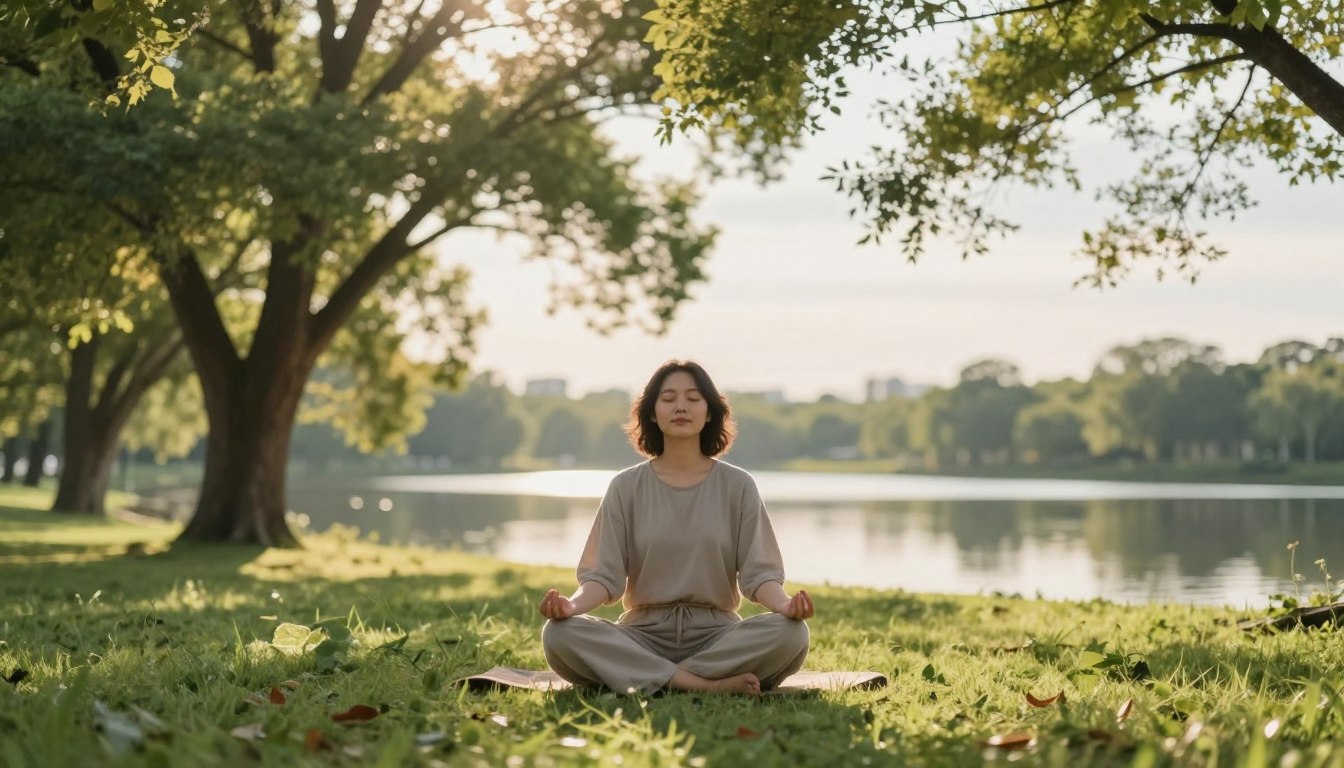
Did you know that nearly 40% of the actions you take every single day are not conscious decisions, but automatic habits? This surprising reality means we often drift through life on autopilot, missing the chance to nurture our emotional health. By choosing mindfulness for inner peace and healing, you can break this cycle and reclaim your focus.
Adopting this practice is not just a temporary exercise; it is a sustainable lifestyle choice. When you integrate these habits, you gain the tools to navigate life’s toughest challenges with clarity. Embracing mindfulness for healing allows you to cultivate deep self-awareness and lasting tranquility. Start your journey today to transform how you experience the world around you.
Key Takeaways
- Mindfulness acts as a foundational tool for personal growth.
- It helps individuals manage stress with greater emotional clarity.
- Consistent practice fosters long-term mental well-being.
- You can move from automatic habits to intentional living.
- This approach provides a path toward deeper self-awareness.
Understanding the Power of Mindfulness for Inner Peace and Healing
Achieving a state of mental clarity is not just a dream; it is a measurable process rooted in science. By focusing on the present moment, you can begin to unlock the true potential of mindfulness for inner peace and healing. This practice serves as a gentle bridge between your current state of stress and a future defined by emotional balance.
The Science Behind Mindfulness and Emotional Recovery
At its core, mindfulness meditation works by physically changing the structure of your brain. Research shows that consistent practice helps rewire neural pathways, which effectively lowers your body’s stress response. This shift allows you to move away from automatic reactivity and toward a more thoughtful, calm way of living.
When you engage in mindfulness for healing, you are essentially training your brain to stay grounded. This process is vital for anyone looking to recover from past emotional wounds. By observing your thoughts without judgment, you create the space necessary for genuine growth and recovery.
Core Benefits of Cultivating a Mindful Lifestyle
Adopting a mindful lifestyle offers profound inner peace benefits that extend far beyond the meditation cushion. When you commit to this path, you start to notice improvements in your daily interactions and your overall outlook on life. The journey of emotional healing through mindfulness is a gradual process that rewards patience and consistency.
Here are some of the primary advantages you can expect when you make mindfulness a daily habit:
- Reduced Stress Levels: Lowering cortisol production through intentional breathing.
- Enhanced Emotional Regulation: Developing the ability to respond to challenges with clarity rather than impulse.
- Improved Focus: Training your mind to remain present, which boosts productivity and mental sharpness.
- Greater Self-Compassion: Learning to treat yourself with the same kindness you offer to others.
Ultimately, the power of this practice lies in your ability to choose your reaction to the world. By staying present, you build a foundation of stability that supports your long-term well-being. Every moment spent in awareness is a step toward a more peaceful and balanced version of yourself.
Step-by-Step Mindfulness Practices for Daily Life
Building a habit of presence starts with small, intentional actions throughout your day. By incorporating mindfulness practices into your routine, you can create a sustainable path toward emotional balance and clarity.
1. Establishing a Consistent Meditation Routine
Consistency is the secret to long-term success. When you commit to a daily mindfulness meditation session, you train your brain to return to a state of calm more quickly.
Creating a Dedicated Space for Practice
You do not need a large room to meditate effectively. Simply find a quiet corner where you feel comfortable and undisturbed. Adding a soft cushion or a small plant can help signal to your mind that it is time to settle down.
Choosing the Right Time of Day
The best time to practice is whenever you can be most consistent. Many people find that starting the morning with five minutes of silence sets a positive tone for the entire day. Others prefer a brief evening session to decompress after work.
2. Incorporating Mindful Breathing Techniques
When life feels overwhelming, mindfulness techniques provide an immediate anchor. These simple exercises help regulate your nervous system and bring you back to the present moment.
Deep Belly Breathing for Stress Relief
This method is highly effective as mindfulness for stress relief. Place one hand on your chest and the other on your belly. Inhale slowly through your nose, ensuring your belly rises while your chest remains still, then exhale gently through pursed lips.
The 4-7-8 Technique for Calm
This rhythmic breathing pattern acts as a natural tranquilizer for the nervous system. Follow these steps to find your center:
- Inhale quietly through your nose for a count of four.
- Hold your breath for a count of seven.
- Exhale completely through your mouth, making a whoosh sound, for a count of eight.
3. Practicing Mindful Self-Care Throughout the Day
True self-care through mindfulness involves bringing awareness to the mundane tasks you perform every day. By slowing down, you turn routine activities into opportunities for rejuvenation.
Mindful Eating and Sensory Awareness
Instead of rushing through your lunch, try to engage all your senses. Notice the texture, smell, and temperature of your food. Eating without distractions like phones or television allows you to appreciate your meal fully and improves digestion.
Body Scanning for Physical Tension Release
A body scan is a powerful way to check in with your physical state. Start at your toes and slowly move your attention upward, noticing any areas of tightness. As you breathe into those spots, consciously imagine the tension melting away, leaving your muscles feeling relaxed and renewed.
Conclusion
Your path to emotional balance grows stronger with every moment you choose to be present. Consistent mindfulness practices serve as the foundation for a healthier and more resilient version of yourself.
Commitment to self-care through mindfulness transforms how you navigate daily challenges. You gain the ability to remain grounded even when life feels overwhelming. These simple mindfulness techniques act as tools that you carry with you at all times.
Prioritizing mindfulness for stress relief creates space for clarity and calm. You deserve the inner peace benefits that come from dedicated attention to your mental state. Small shifts in your perspective lead to significant changes in your overall quality of life.
Start your next chapter by taking one intentional breath right now. Share your experiences with friends or join a community like Headspace to deepen your practice. Your dedication to this journey creates a ripple effect of positivity in your world.