
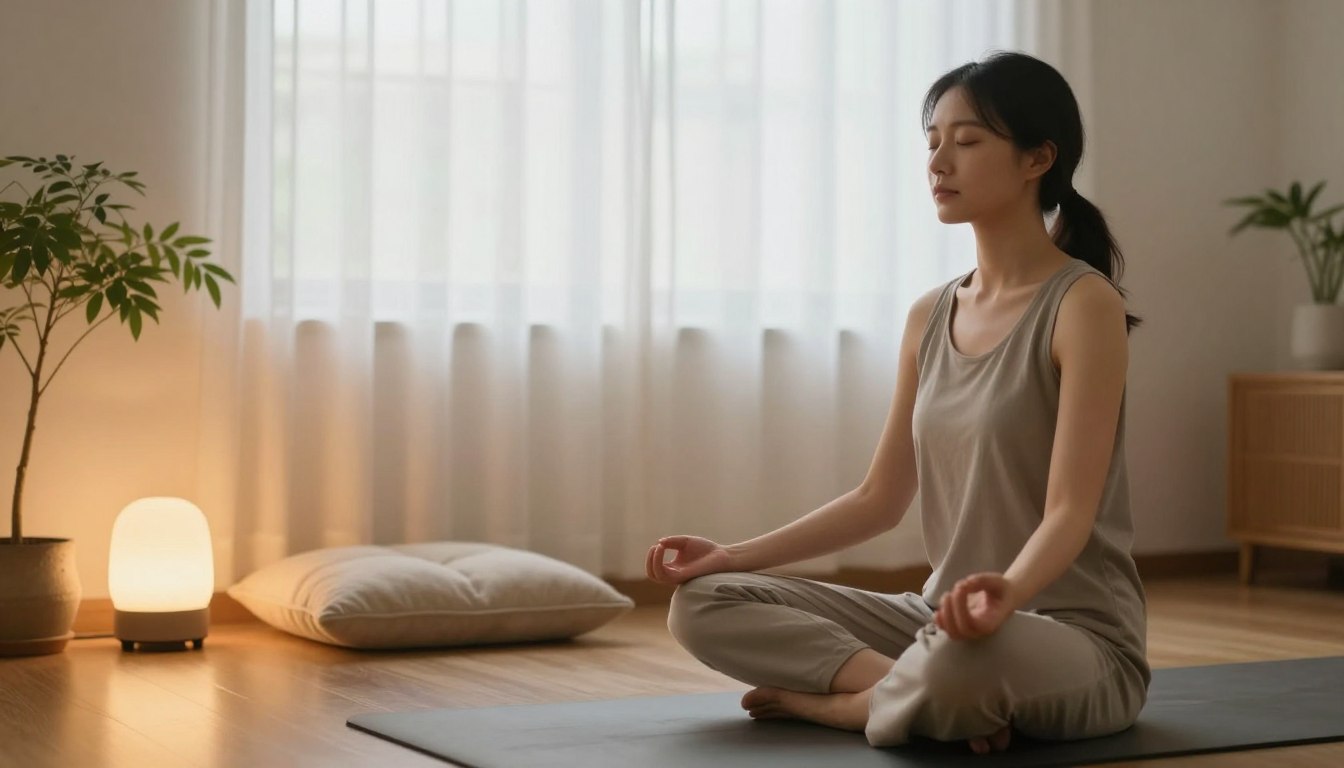
Did you know that nearly 80% of American adults report feeling overwhelmed by daily pressures at least once a week? This constant state of tension acts like a silent drain on your long-term health. Finding a way to navigate this chaos is no longer a luxury; it is a vital necessity for your well-being.
Achieving a sense of internal harmony requires intentional effort. By adopting peaceful mindset techniques, you can actively lower your cortisol levels and sharpen your decision-making skills. Integrating specific calm mind and stress relief practices into your routine serves as the bedrock for a healthier, more balanced lifestyle.
Prioritizing your mental health is a non-negotiable commitment to yourself. When you choose to slow down, you gain the clarity needed to thrive in our fast-paced world.
Key Takeaways
- Chronic tension significantly impacts your long-term physical health.
- Lowering cortisol levels improves your daily decision-making abilities.
- Mental wellness should be treated as a non-negotiable lifestyle priority.
- Intentional habits help you navigate a fast-paced environment effectively.
- Small, consistent changes lead to lasting internal harmony.
Foundational Calm Mind and Stress Relief Practices
Achieving a balanced life starts with small, intentional habits that anchor your day. By focusing on calm mind and stress relief practices, you can build a resilient foundation that supports your mental health. These habits act as a buffer against the daily pressures of modern life.
Establishing a Daily Mindfulness Routine
Integrating mindfulness techniques into a busy schedule does not require hours of meditation. You can start by dedicating just five minutes each morning to focused breathing or mindful observation. This simple act helps you center your thoughts before the chaos of the day begins.
Consistency is the key to success when building these habits. Try linking your practice to an existing routine, such as drinking your morning coffee or commuting. Over time, these small moments of presence will naturally lower your baseline stress levels.
Creating a Peaceful Environment at Home
Your physical surroundings play a significant role in your internal state. By applying peaceful mindset techniques, you can transform your living space into a true sanctuary. Start by decluttering your primary living areas to reduce visual noise and promote a sense of order.
Consider adding elements that soothe your senses, such as soft lighting, indoor plants, or calming scents like lavender. These environmental adjustments signal to your brain that it is time to rest and recover. A well-organized home actively supports your journey toward long-term serenity.
| Strategy | Primary Benefit | Time Required |
|---|---|---|
| Morning Breathing | Mental Clarity | 5 Minutes |
| Decluttering | Reduced Anxiety | 15 Minutes |
| Evening Journaling | Emotional Release | 10 Minutes |
| Nature Walks | Physical Relaxation | 20 Minutes |
Implementing these stress management strategies allows you to take control of your environment and your schedule. When you prioritize your peace, you create the space necessary for a healthier, more balanced life. Start small, stay consistent, and watch how your perspective shifts over time.
Step-by-Step Relaxation Exercises for Immediate Relief
You can reclaim your calm in moments of high pressure with simple, effective actions. When stress peaks, having a portable toolkit allows you to regain control and maintain your composure. These mindfulness techniques are designed to be used anywhere, whether you are at your desk or on the go.
Deep Breathing Techniques for Anxiety Reduction
Controlled breathing acts as a natural anchor for your nervous system. By focusing on your breath, you signal to your brain that it is time to shift from a state of alert to a state of rest. These anxiety reduction methods are highly effective for calming the mind quickly.
Box Breathing Method
The box breathing technique is a favorite among professionals who need to stay sharp under pressure. To perform this, inhale for four seconds, hold your breath for four seconds, exhale for four seconds, and hold again for four seconds. Repeat this cycle until you feel your heart rate stabilize.
4-7-8 Breathing Technique
This rhythmic pattern helps soothe the body by extending the exhale. Inhale quietly through your nose for four seconds, hold your breath for seven seconds, and exhale forcefully through your mouth for eight seconds. Consistency is key when practicing this method to achieve the best results.
“Breath is the bridge which connects life to consciousness, which unites your body to your thoughts.”
Progressive Muscle Relaxation
Physical tension often hides in our shoulders, jaw, and hands without us even noticing. Progressive muscle relaxation is one of the most reliable relaxation exercises for releasing this stored energy. By systematically tensing and then releasing specific muscle groups, you teach your body how to distinguish between stress and true comfort.
Follow these steps to practice this technique:
- Start by tensing your toes for five seconds, then release suddenly.
- Move upward to your calves, thighs, and stomach, repeating the tension-release cycle.
- Finish by clenching your fists and shrugging your shoulders before letting go completely.
Incorporating these serenity exercises into your daily life creates a buffer against the chaos of the modern world. You deserve to feel grounded, no matter what the day brings.
Cultivating Mental Clarity Practices for Long-Term Serenity
Long-term serenity is not a destination but a result of consistent habits that protect your inner calm. By adopting proactive stress management strategies, you can maintain a balanced perspective even during challenging times. These mental clarity practices serve as a shield for your focus and emotional health.
Journaling for Emotional Well-being
Writing down your thoughts is a powerful way to clear mental clutter. When you put pen to paper, you create space to process complex feelings that might otherwise cause internal friction. This simple habit is one of the most effective emotional well-being practices available today.
Consistent journaling acts as a mirror for your inner state. It allows you to identify patterns in your thinking that may trigger unnecessary worry. By tracking these shifts, you can refine your personal anxiety reduction methods and gain better control over your reactions.
“The act of writing is a way of organizing your thoughts and finding clarity in the midst of chaos.”
Setting Boundaries to Protect Your Peace
Protecting your mental energy requires you to be intentional about what you allow into your life. Without clear boundaries, it is easy to feel drained by external demands. Establishing these limits is essential for maintaining long-term peace.
Digital Detox Strategies
Constant connectivity often leads to sensory overload and increased stress. Implementing digital detox strategies, such as turning off notifications after a certain hour, can significantly improve your focus. Try setting aside specific times each day to disconnect from all screens to recharge your mind.
Learning to Say No
Many people struggle with the pressure to please others at the expense of their own health. Learning to say no to overwhelming commitments is a vital skill for preserving your energy. Remember that every time you decline a request that does not align with your goals, you are saying yes to your own well-being.
Conclusion
Achieving a balanced life requires a steady commitment to your personal growth. You hold the power to transform your daily experience by integrating simple habits into your schedule.
Consistent relaxation exercises serve as the bedrock for your journey toward inner calm. These small actions build resilience against the pressures of modern life. You will notice significant shifts in your mood when you prioritize these moments of stillness.
Integrating mental clarity practices helps you navigate challenges with a steady hand. You gain perspective by observing your thoughts without judgment. This shift in focus creates space for genuine peace to flourish within your mind.
Prioritizing emotional well-being practices ensures that you remain grounded during busy weeks. You deserve to feel supported and calm in your own skin. These habits act as a shield against burnout and fatigue.
Begin your journey today by selecting one or two serenity exercises that resonate with your lifestyle. Patience remains your greatest ally as you cultivate these new patterns. Share your progress with friends or family to stay motivated on this rewarding path toward a more peaceful existence.