
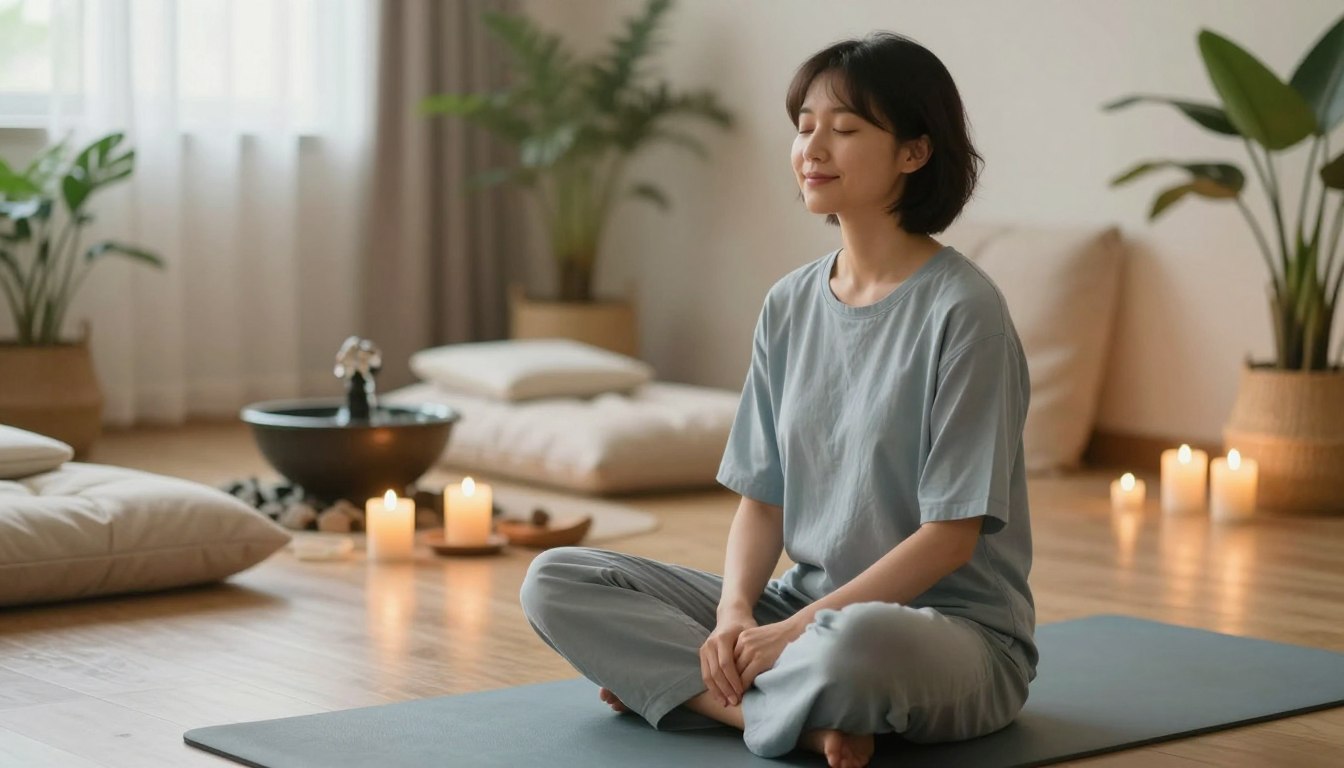
Did you know that nearly 80% of adults in the United States report feeling significant stress on a daily basis? This constant pressure often leaves us feeling drained, making it vital to prioritize our inner peace. By adopting intentional emotional healing and relaxation techniques, you can reclaim your sense of calm.
Incorporating simple relaxation methods into your routine significantly improves your daily outlook. Consistent mental well-being exercises help build a strong foundation for long-term stability. When you commit to these habits, you foster greater resilience against life’s inevitable challenges.
Prioritizing self-care practices serves as the cornerstone for effective emotional wellness strategies in our fast-paced world. This guide offers a friendly roadmap to help you soothe your mind effectively. Start your journey toward a more balanced life today.
Key Takeaways
- Stress impacts the vast majority of Americans, highlighting the need for proactive care.
- Small, consistent habits create a solid foundation for lasting mental stability.
- Intentional pauses help improve your overall quality of life.
- Building resilience requires a commitment to daily wellness routines.
- Accessible strategies make it easier to manage modern pressures effectively.
Essential Emotional Healing and Relaxation Techniques
You can transform your daily stress into calm by using proven emotional healing and relaxation techniques. These practices serve as a vital foundation for anyone looking to improve their mental health and resilience. By incorporating these methods into your life, you create a buffer against the pressures of a fast-paced world.
“The greatest weapon against stress is our ability to choose one thought over another.”
Deep Breathing Exercises for Immediate Calm
Deep breathing acts as a physiological reset button for your nervous system. When you feel overwhelmed, these relaxation methods help signal your brain to shift from a state of high alert to one of safety. Taking slow, intentional breaths can lower your heart rate within just a few minutes.
Try the “box breathing” technique to regain focus during a busy day. Inhale for four counts, hold for four, exhale for four, and hold for four again. This simple rhythm effectively calms the body and clears the mind.
Progressive Muscle Relaxation for Physical Tension
Physical strain often hides in our shoulders, jaw, and neck without us even noticing. Engaging in mental well-being exercises like progressive muscle relaxation allows you to identify and release this stored tension. By systematically tensing and then relaxing each muscle group, you teach your body how to let go of stress.
| Technique | Primary Benefit | Best Time to Use |
|---|---|---|
| Deep Breathing | Immediate Calm | During High Anxiety |
| Muscle Relaxation | Physical Release | Before Bedtime |
| Mindfulness | Emotional Clarity | Morning Routine |
Mindfulness Meditation for Emotional Clarity
Mindfulness is the practice of grounding yourself in the present moment to reduce worry about the future. These stress relief techniques help you observe your thoughts without judgment, which fosters a sense of inner peace. Regular practice builds the mental strength needed to navigate difficult emotions with grace.
You do not need hours of silence to see the benefits of these mindfulness exercises. Even five minutes of quiet observation can significantly improve your emotional clarity. Start small, stay consistent, and watch how your perspective shifts over time.
Integrating Self-Care Practices into Your Daily Routine
True emotional wellness strategies are built through the small, consistent choices we make every single day. Rather than viewing wellness as a luxury, you can treat it as a fundamental part of your lifestyle. By making these minor adjustments, you create a supportive environment that fosters lasting growth.
Establishing a Consistent Morning Ritual
A morning ritual acts as an anchor for your entire day. When you start with intention, you are less likely to feel overwhelmed by external stressors. Consistency is the key to making these self-care practices stick over time.
Consider waking up fifteen minutes earlier to enjoy a quiet cup of coffee or tea without distractions. This simple act allows you to center your thoughts before the demands of the world take over. You might also incorporate light stretching or a few minutes of deep breathing to wake up your body gently.
Creating a Sanctuary for Evening Decompression
Your home should serve as a refuge from the chaos of the outside world. Transforming your living space into a sanctuary helps your nervous system shift from “alert” mode to “rest” mode. This transition is vital for quality sleep and emotional recovery.
Setting Boundaries with Digital Devices
Constant connectivity often keeps our minds in a state of high arousal. To protect your mental space, try establishing a “digital sunset” at least one hour before bed. Turning off notifications or leaving your phone in another room prevents late-night stress and promotes better relaxation.
Journaling for Emotional Release
Writing down your thoughts serves as a powerful coping mechanism during difficult times. Many people find that journaling acts as a form of relaxation therapy, allowing for the safe release of pent-up emotions. You do not need to be a writer to benefit from this practice; simply putting pen to paper can provide immense clarity.
| Habit Type | Primary Benefit | Time Commitment |
|---|---|---|
| Morning Ritual | Sets a positive tone | 10-15 Minutes |
| Digital Boundaries | Reduces mental clutter | Ongoing |
| Evening Journaling | Emotional processing | 5-10 Minutes |
Conclusion
Your journey toward emotional wellness requires patience and a steady commitment to your personal growth. You hold the power to transform your daily experience by choosing the right stress relief techniques that fit your unique lifestyle.
Consistency remains the most vital element in your progress. Practicing mindfulness exercises daily helps you build a resilient mindset capable of handling unexpected pressure. You will discover that small, intentional habits create significant shifts in your overall mood and energy levels.
Exploring various coping mechanisms allows you to understand what truly resonates with your body and mind. You might find that specific forms of relaxation therapy, such as those offered by Headspace or Calm, provide the structure you need to stay grounded. Experimenting with these tools keeps your routine fresh and effective.
Healing is a continuous process rather than a destination. Every moment you dedicate to your own peace contributes to a stronger version of yourself. Share your favorite practices with friends or family to build a supportive community around your wellness goals. Your dedication to these habits will serve you well as you navigate the complexities of life with newfound clarity.